
The Birth of Amazon
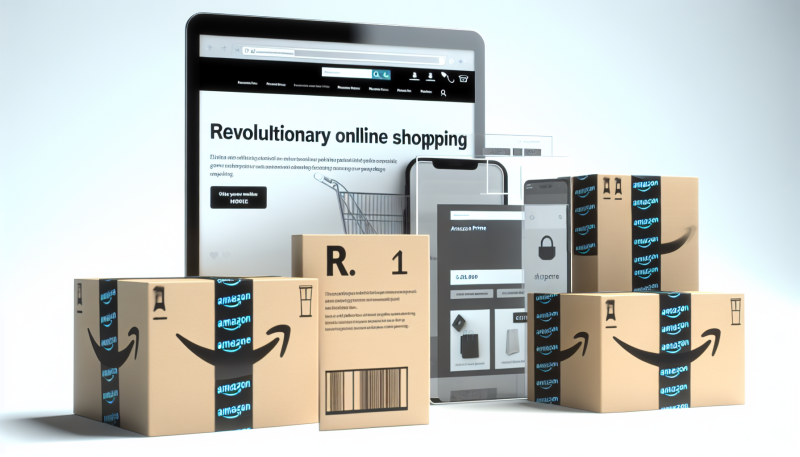
Amazon's inception in 1994 was a pivotal moment in the history of online retail. Founded by Jeff Bezos, the company began as a humble online bookstore operating out of a garage. Over the years, Amazon evolved beyond books and embraced a vast range of products. This strategic expansion has played a crucial role in shaping the new frontier of e-commerce.
A Revolutionary Business Model
Amazon introduced a groundbreaking business model that focused relentlessly on customer satisfaction and convenience. Central to this model was the development of an expansive, user-friendly platform that allowed consumers to browse an extensive selection of products from the comfort of their homes. This innovative approach to online retail disrupted traditional brick-and-mortar stores, shifting consumer habits towards the digital realm.
Customer-Centric Approach
One of Amazon's core principles is customer obsession. By prioritizing customer experience above all else, Amazon has set itself apart from competitors. With features such as personalized recommendations, an easy-to-navigate website, and numerous customer reviews, Amazon creates an environment where customers feel valued and empowered. This focus on the customer has cultivated a loyal customer base and has been critical to Amazon’s enduring success.
Innovation in Logistics and Delivery
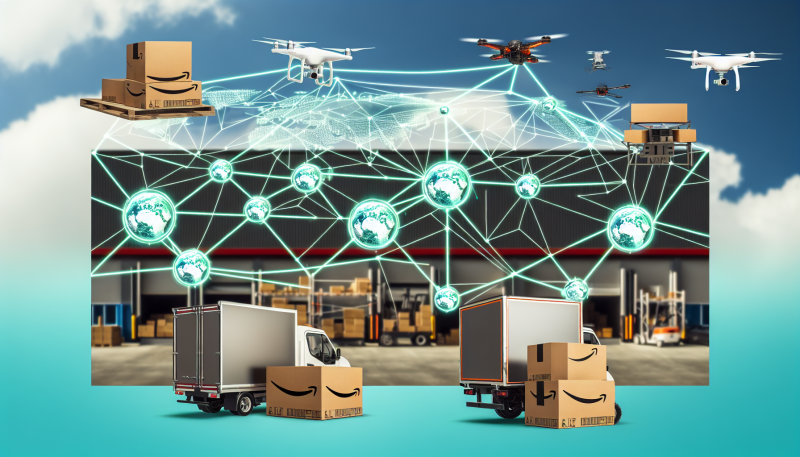
A vital element of Amazon's transformation of online shopping is its investment in logistics and delivery. The company has developed a sophisticated distribution network that ensures prompt and reliable delivery services across the globe. From introducing Amazon Prime, which offers fast, often next-day delivery options, to experimenting with cutting-edge technologies like drones, Amazon continues to set new standards in logistics efficiency.
Marketplace Model Expansion
Amazon's marketplace model has allowed third-party sellers to offer their products on the platform, significantly broadening the array of available merchandise. This not only increased consumer choice but also provided emerging businesses with access to Amazon's immense customer base. By acting as a facilitator between sellers and buyers, Amazon has further entrenched itself as an indispensable part of the e-commerce ecosystem.
Introduction of Amazon Web Services (AWS)
With the launch of Amazon Web Services (AWS) in 2006, Amazon expanded its impact beyond retail. AWS offered scalable and cost-effective cloud computing solutions to businesses around the world. By providing robust infrastructure services, Amazon has empowered countless companies to innovate and scale rapidly, thus transforming not just online commerce, but the digital landscape as a whole.
The Prime Membership Revolution
Amazon Prime has been a game changer in terms of customer loyalty and engagement. By paying an annual fee, members gained access to free, expedited shipping, exclusive discounts, and a plethora of streaming content. This membership model encouraged frequent shopping and deeper engagement with Amazon’s ecosystem, showcasing how the company ingeniously combined digital content and e-commerce.
Technological Pioneering and AI Integration
Artificial Intelligence (AI) plays a significant role in Amazon's operational efficiency and customer interaction. From Alexa, the AI-powered virtual assistant, to machine learning algorithms that refine product recommendations, Amazon continues to lead in technological innovation. These advancements not only enhance the shopping experience but also streamline operations, making Amazon a technological powerhouse.
Commitment to Sustainability
In recent years, Amazon has made strides towards sustainability, reflecting wider societal shifts towards environmental responsibility. Initiatives like "The Climate Pledge" demonstrate Amazon’s commitment to achieving net-zero carbon emissions by 2040. Additionally, by investing in renewable energy and sustainable packaging, Amazon is paving the way for more eco-friendly e-commerce solutions.
Global Expansion and Influence
Amazon's impact extends far beyond the United States. The company's strategic expansion into international markets has brought its innovative e-commerce solutions to consumers worldwide. As a result, Amazon has profoundly influenced global shopping behaviors and has fostered an interconnected digital economy.
Conclusion: The Future of Online Shopping with Amazon
Amazon's transformation of online shopping has set the benchmark for the entire e-commerce industry. Its relentless pursuit of innovation, customer-centric policies, and strategic use of technology have established it as a leader and pioneer in the digital marketplace. As Amazon continues to expand and evolve, it remains poised to shape the future of online retail. The company's ongoing commitment to technological advancement, environmental responsibility, and global accessibility ensures that it will remain a formidable force in the world of e-commerce for years to come.
Driving the Digital Economy
Amazon's influence stretches into the broader digital economy. By integrating artificial intelligence, leveraging data analytics, and continuously redefining logistics, the company supports countless ancillary businesses and tech developments. Amazon’s role as an innovator inspires new ventures and competitive models, driving the digital economy forward.
Empowering Small Businesses
Through initiatives like Amazon Launchpad and Amazon Handmade, the company empowers small businesses and artisans to reach a global audience, facilitating growth and opportunity in the digital age. Providing access to a vast consumer base and a range of logistical supports, Amazon plays a crucial role in fostering the entrepreneurial spirit and leveling the playing field for small-scale sellers.
Continuous Technological Advancements
Amazon’s commitment to cutting-edge technology extends beyond AI and logistics. With ventures into areas like cashier-less stores through Amazon Go and virtual reality shopping experiences, the company continues to push the envelope. These technological initiatives not only redefine shopping experiences but also set trends that influence the industry at large.