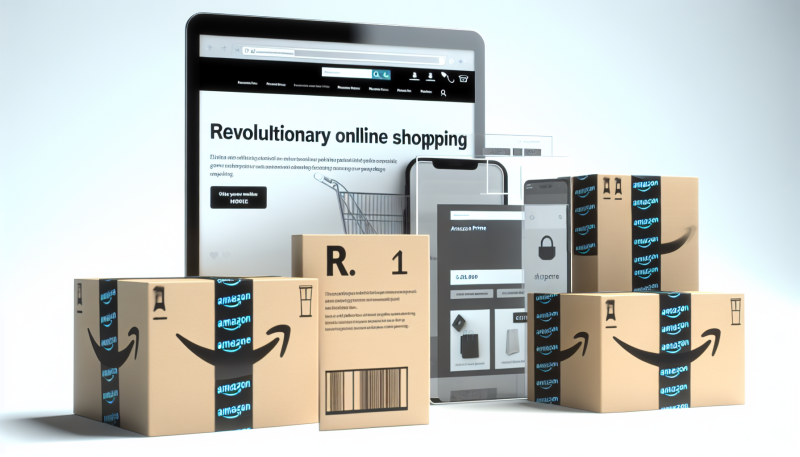

In the dynamic world of e-commerce, Amazon stands as a towering giant redefining the way we shop and receive products. At the forefront of this revolution is Amazon's remarkable logistics network, which has elevated the expectation of same-day delivery from a luxury to a standard offering. This article delves deep into the inner workings of Amazon's logistics infrastructure, exploring how it has achieved these groundbreaking advancements in same-day delivery services.
The Foundation of Amazon's Logistics Network
Amazon's logistics network is built upon a robust and integrated system encompassing fulfillment centers, distribution hubs, and advanced technological tools. By constantly investing in these areas, Amazon ensures seamless operations that enable expedited deliveries. The foundation lies in strategic placement and a sophisticated network that optimizes inventory management and shipping processes.
The Role of Fulfillment Centers
Fulfillment centers are the lifeblood of Amazon's logistics empire. These massive warehouses are strategically located near major urban areas to facilitate speedy shipping. Staffed by a combination of human workers and robotic automation, fulfillment centers efficiently pick, pack, and ship products. The strategic location of these centers minimizes the distance between products and customers, thereby reducing delivery times and making same-day delivery feasible.
Technological Innovations Driving Efficiency
Amazon embraces cutting-edge technology to enhance its logistics operations. From AI-driven inventory systems to advanced robotics, technology plays a crucial role in streamlining operations and reducing human error. Machine learning algorithms predict demand patterns, allowing Amazon to stock items proactively. Robotics, such as the Kiva robots, automate the picking process, significantly increasing efficiency and accuracy.
Prime Now and the Promise of Instant Gratification
Amazon Prime Now represents a milestone in the quest for rapid delivery. This service offers a vast selection of products, from groceries to electronics, delivered within hours. By utilizing nearby fulfillment centers and strategic partnerships with local retailers, Prime Now exemplifies how Amazon leverages its logistics network to meet the immediacy demanded by customers. The promise of instant gratification has set a new benchmark in online shopping.
The Last Mile Delivery Challenge
The quest for same-day delivery hinges on overcoming the notorious "last mile" challenge. This final leg of delivery often presents logistical hurdles due to urban congestion and varied customer locations. Amazon tackles this challenge through a combination of local delivery partnerships, a proprietary fleet of Amazon vans, and the engagement of independent contractors through the Amazon Flex program. These solutions enable flexible and scalable last-mile delivery operations.
Amazon Flex and Crowdsourcing Innovation
Amazon Flex represents a significant innovation in last-mile logistics. By crowdsourcing deliveries to individuals using their vehicles, Amazon gains flexibility and cost efficiency. Drivers, known as Amazon Flex drivers, are part-time contractors able to choose their delivery schedule. This crowdsourced model allows for rapid scaling of delivery capabilities in response to fluctuating demand, particularly during peak shopping seasons.
The Impact of Data Analytics on Logistics
Data analytics is at the heart of Amazon's logistics strategy. Real-time data from various sources is aggregated and analyzed to optimize delivery routes, manage inventory, and prevent bottlenecks. Predictive analytics anticipate customer demand, allowing Amazon to position inventory strategically. This data-driven approach ensures that Amazon can meet the demands of same-day delivery with precision and reliability.
Environmental Considerations in Logistics
In its pursuit of logistical excellence, Amazon remains cognizant of environmental impacts. Initiatives like Amazon's Shipment Zero aim to make 50% of shipments net-zero carbon by 2030. Electric delivery vans and aerial drones are being explored to reduce the carbon footprint of rapid deliveries. Sustainable packaging solutions further complement these efforts, reflecting Amazon's commitment to environmentally friendly logistics.
Integration of Delivery Drones
Amazon's exploration of drone technology promises to revolutionize same-day delivery. Prime Air, the company’s drone delivery system, aims to provide rapid, efficient deliveries within 30 minutes. Although regulatory hurdles remain, the integration of unmanned aerial vehicles offers unparalleled speed and flexibility, marking the future of Amazon's logistics network.
Customer Experience and Expectations
The evolution of Amazon's logistics network is driven by the desire to enhance customer experience. Same-day delivery aligns with modern consumer expectations for speed and convenience. The ability to receive products within hours enhances customer satisfaction and loyalty, reinforcing Amazon's reputation as a leader in e-commerce.
Challenges and Future Prospects
Despite its successes, Amazon's quest for logistical perfection faces ongoing challenges. Regulatory compliance, especially regarding drone deliveries, poses hurdles. Further, as customer expectations continue to rise, the logistics network must constantly adapt and innovate. The future holds immense possibilities, including autonomous delivery vehicles and expanded use of AI, heralding a new era in efficiency and service excellence.
Conclusion
The continuous evolution of Amazon's logistics network has redefined the landscape of same-day delivery. Through strategic investments, technological innovation, and a commitment to customer satisfaction, Amazon consistently reimagines what is possible in e-commerce logistics. As the company forges ahead, it will undoubtedly continue to set benchmarks for others to follow, revolutionizing how products are delivered swiftly and seamlessly to consumers worldwide.