The Rise of Amazon in E-commerce
Amazon has become a colossal force in the e-commerce sector, fundamentally reshaping how products are bought and sold. Since its inception, Amazon has continually evolved, leveraging its logistics network to set new standards in delivery speed and efficiency. As a leader in the industry, understanding Amazon's logistics infrastructure is crucial for any business aiming to compete in the digital marketplace.
Innovative Warehousing: The Backbone of Amazon's Success
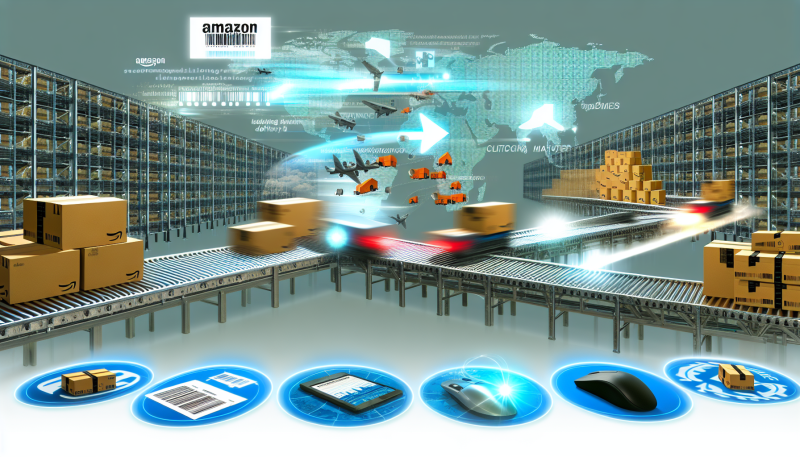
At the heart of Amazon's logistics network lies its vast network of fulfillment centers. These strategically placed facilities allow Amazon to stock a diverse range of products close to consumer hubs, reducing delivery times significantly. Unlike traditional warehouses, Amazon's fulfillment centers utilize cutting-edge technology, including robotics and automated systems, to optimize storage and retrieval processes. This innovation streamlines operations and enhances the overall efficiency of the supply chain.
Last-Mile Delivery and Its Impact
The "last mile" of delivery is perhaps the most challenging and costly segment of the logistics process. Amazon has addressed this challenge through various strategies, such as establishing its own delivery network. By creating Amazon Logistics, the company gains greater control over deliveries, ensuring timely and reliable service. Additionally, Amazon's deployment of technologies like GPS tracking and real-time data analytics further optimizes last-mile delivery, enhancing customer satisfaction.
Amazon Prime: Revolutionizing Consumer Expectations
Amazon Prime has been a game-changer in the e-commerce industry, transforming consumer expectations regarding delivery speed. With the promise of fast and free shipping, Amazon Prime has attracted millions of subscribers globally. This service is supported by Amazon's extensive logistics network, which ensures that Prime members enjoy expedited delivery times. As a result, competing retailers have been compelled to improve their own logistics capabilities to keep pace with Amazon's offering.
Challenges in Maintaining Amazon's Logistics Network
Despite its successes, Amazon's logistics network faces numerous challenges. The scale of operations and the constant demand for swift delivery place immense pressure on infrastructure and logistics personnel. Amazon continuously invests in technology and process improvements to overcome these hurdles. For instance, innovations such as drone delivery and the exploration of autonomous vehicles demonstrate Amazon's commitment to overcoming logistical challenges and staying ahead of industry trends.
Environmental Considerations in Amazon's Logistics Network
With growing awareness of environmental concerns, Amazon has taken steps to make its logistics network more sustainable. Initiatives such as "Shipment Zero," which aims for net-zero carbon emissions in its deliveries, highlight Amazon's commitment to sustainability. By investing in electric delivery vehicles and optimizing packaging processes, Amazon is working toward mitigating its environmental impact while maintaining the efficiency of its logistics operations.
Technological Innovations Driving Logistics Efficiency
Technology is at the core of Amazon's logistics strategy. From AI-driven analytics to machine learning applications, Amazon leverages advanced technology to enhance operational efficiency. Predictive analytics assist in inventory management, ensuring that products are allocated effectively to meet customer demand. Furthermore, technologies like warehouse robotics and automated sorting systems contribute significantly to reducing processing times, thus supporting faster delivery.
Global Expansion and Logistics Challenges
As Amazon expands its reach globally, it encounters diverse logistical challenges in different regions. Variations in infrastructure, regulations, and consumer preferences necessitate adaptable logistics solutions. Amazon addresses these challenges by forming partnerships with local carriers and investing in region-specific fulfillment centers. This strategic approach enables Amazon to cater to a wide range of markets, maintaining its reputation for reliable delivery regardless of location.
The Role of Artificial Intelligence and Machine Learning
Artificial intelligence and machine learning are integral in refining Amazon's logistics processes. These technologies enable smart forecasting and demand planning, reducing overstock and stockouts. By analyzing customer data, AI-driven models predict purchasing trends and manage inventory levels efficiently. Machine learning algorithms optimize delivery routes, cutting down transit time and costs, thus enhancing both speed and sustainability.
Amazon's Commitment to Customer Experience
Amazon places a strong emphasis on customer experience, which is deeply intertwined with its logistics network. The company strives to keep customers informed by providing detailed shipment tracking and continuous updates. Innovations like Amazon Key, which allows delivery personnel to securely leave packages inside customers' homes or garages, exemplify Amazon's forward-thinking approach to convenience and security in the delivery process.
The Future of E-commerce Logistics
As technology continues to evolve, Amazon is likely to further innovate in the logistics arena. The integration of IoT devices, drone deliveries, and autonomous vehicles could transform traditional delivery methods. In the near future, the use of blockchain may also enhance transparency and security in the supply chain, fostering greater trust among consumers. With its focus on pioneering advancements, Amazon is set to shape the trajectory of e-commerce logistics.
Conclusion
Amazon's logistics network is a pivotal component in its e-commerce dominance. Through innovative technology, strategic warehousing, and a focus on sustainability, Amazon continues to set new standards in delivery performance. As the landscape of retail evolves, Amazon's commitment to refining its logistics infrastructure ensures it remains at the forefront of the industry, continually reshaping consumer expectations and transforming the future of e-commerce delivery.